October 08, 2026


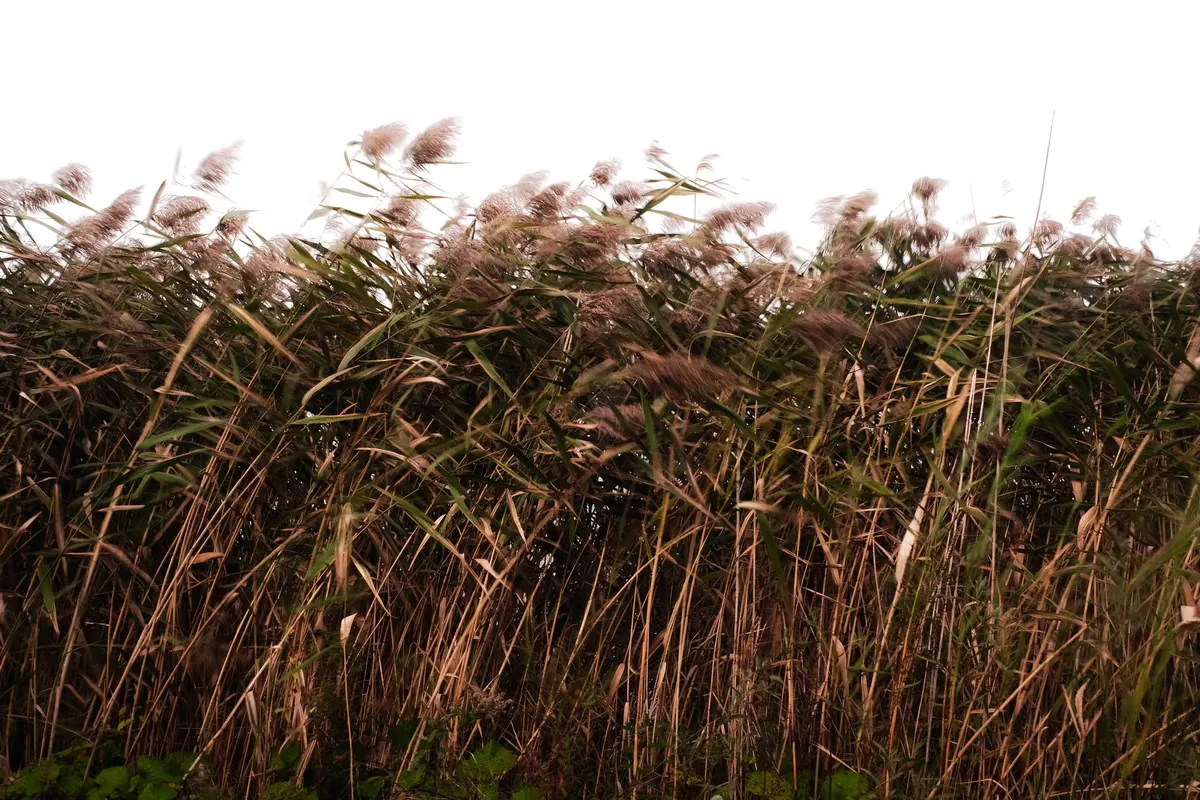
A marsh path at first light is a lesson in patience. You hear the place before you see much of it: reed warblers chattering somewhere out in the stems, the tick of a moorhen, water moving behind the grasses. Then something slides off a bank and the surface closes over it, and you are left wondering what you just missed. That is normal. Most wetland wildlife is found by reading signs first and looking at animals second, and otters, water voles and dragonflies all reward a slow, methodical approach far more than a lucky one.
Before you look for anything with fur or wings, learn the margins. Walk at half your normal pace for the first twenty minutes, and let your eyes travel from the water's edge up the bank rather than across the middle of a pool, where animals rarely are.
Keep the sun behind you where you can. Light in your face flattens the water and hides everything on it; light behind you picks out backs, heads and the small disturbances that give an animal away. Watch the wind as well. On a breezy afternoon, walk with it in your face so your scent travels behind you, not towards the reeds you are hoping to look into.
Mud is your notebook. Soft ground at a gate, a plank bridge or a cattle crossing holds a record of the last twelve hours. Get into the habit of glancing down at those places before you look up.
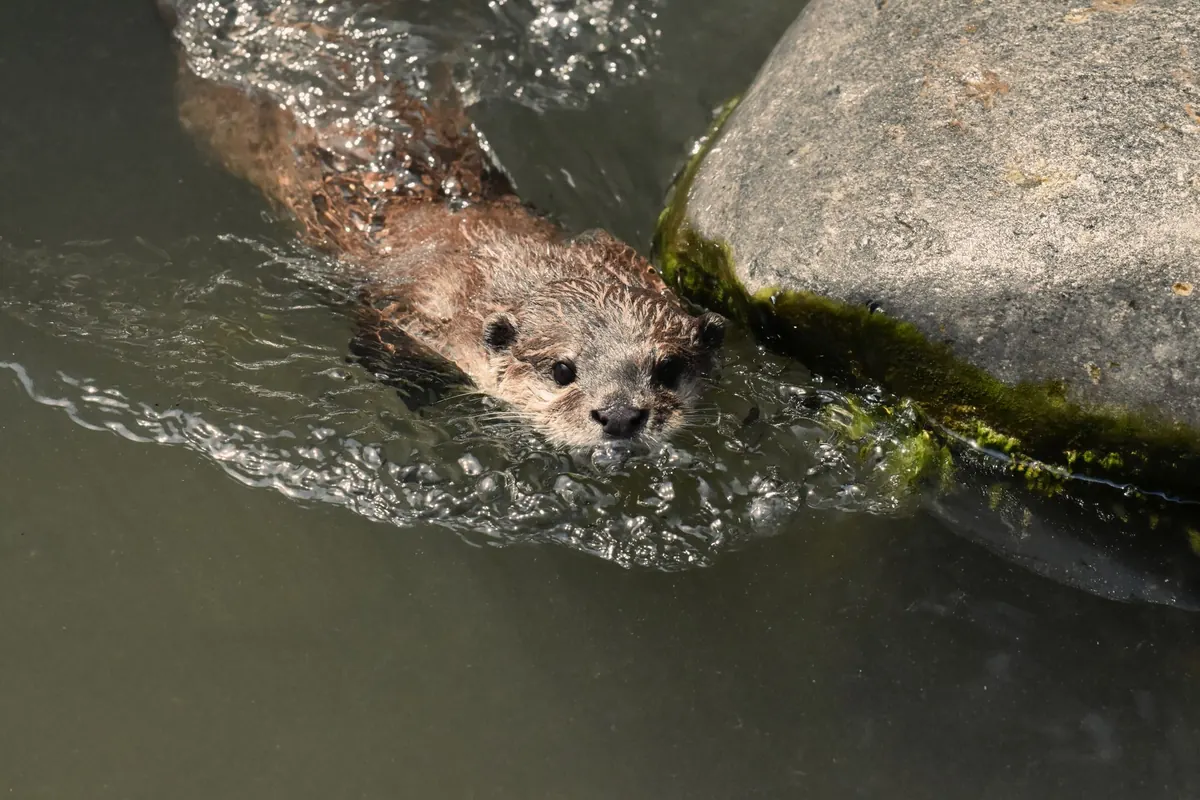
Otters are far more common on lowland rivers and marshes than most people assume, and far harder to see than they expect. They move in and out of the water quietly, often at dawn and dusk, though a hungry otter will happily hunt at midday. Nobody simply walks up to one. Find a stretch they use, then give it time.
Spraint is the one to start with. It is dark, tarry and usually placed somewhere conspicuous — a flat stone, a tussock, a bridge ledge, a path junction — because it is a message, not a hiding place. Fresh spraint smells faintly sweet and fishy, a little like hay or jasmine tea, and often contains fish bones, scales or fragments of crayfish shell. Once you have found a dropping station, you have found a route.
Prints are broad and five-toed, with a wide pad and often a hint of webbing in wet mud. Where a bank is steep you may find a smoothed slide running into the water, and nearby a flattened patch of grass where an otter has rolled or rested.
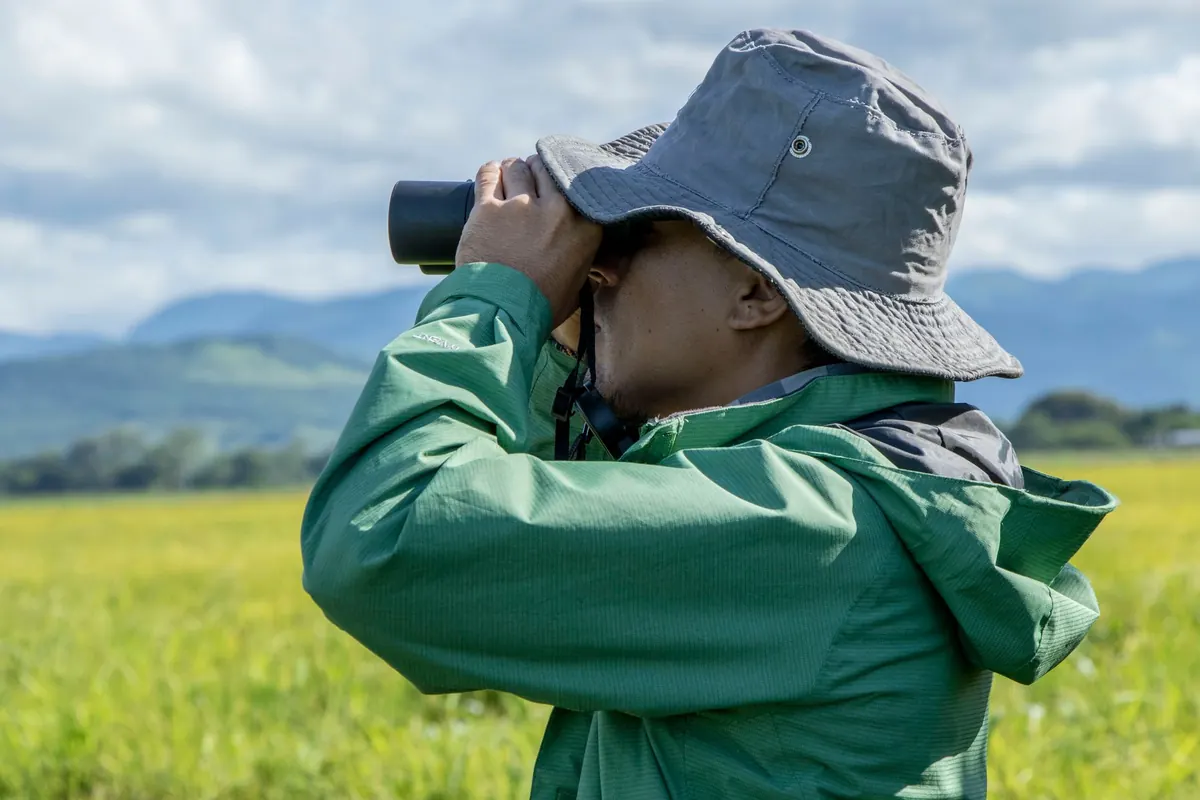
Find a spot with a clear view and something behind you to break up your outline, then settle. Otters give themselves away with small things: a V-shaped wake travelling against the current, a line of bubbles, coots and ducks shifting away from a patch of water for no obvious reason, or a sudden boil of silt where one has dived. When you do see one, stay still and let it move. If it lifts its head and stares, you have been clocked — keep quiet, keep low, and it may carry on.
Water voles are not rats, and the difference matters. A vole has a blunt, rounded face, small ears that barely clear the fur, and a short tail; it swims low, with its body mostly submerged. A brown rat has a pointed snout, obvious ears, a long hairless tail, and swims with its head well clear of the water.
The sound is unmistakable: a single, solid plop, followed by nothing at all. Sit down and wait. Voles often surface again within a couple of minutes, a few metres along, and if you are still and quiet they will go back to feeding. Look for their burrows in the bank — clean round holes, some above the waterline and some below, with a close-cropped lawn of grazed grass around the entrance. Nibbled stems cut at an angle, green droppings left on a flat stone, and narrow tunnels pushed through the vegetation all say the same thing.
Dragonflies and damselflies are cold-blooded, so forget cold mornings and windy afternoons. Your window is roughly mid-morning to mid-afternoon on a still, sunny day, when insects are on the wing and hunters are patrolling. Look over open water, along sheltered ditches, and above stands of emergent reeds and rushes.
Many species, including the chasers and skimmers, return to the same perch again and again. Find one, stand still a few metres away, and let it come back to you. Chasing a dragonfly across a marsh wastes your energy and everyone else's afternoon.
Cast skins are the clue most people miss. In late spring and early summer, check reed stems and rush leaves a little above the water for hollow, papery exuviae — the empty cases left behind after a nymph has climbed out and emerged. A row of them tells you where the emergence happened, and it is a good reason to come back.
All three species are easier to see when you give them room. Otters and water voles are protected by law in the UK, and disturbance — repeated close approach, dogs in the water, damage to burrows — matters more than most people realise. If you are unsure what is permitted on a site, ask the local wildlife trust or the landowner.
One visit tells you almost nothing. Choose a short stretch of marsh path you can reach easily and walk it at different times: a dawn in May, a warm lunchtime in July, a damp evening in September. Note water levels and wind, and check the same spraint stones and burrow banks each time. Within a season you will know where the otters run, which bank the voles use, and which reed bed the chasers patrol — and you will start seeing all three without really trying.
Photo: Alexas Fotos / Pexels
Exploring wetlands, one trail at a time..
Copyright © 2026 Marsh Path. All rights reserved. Marsh Path.