October 08, 2026


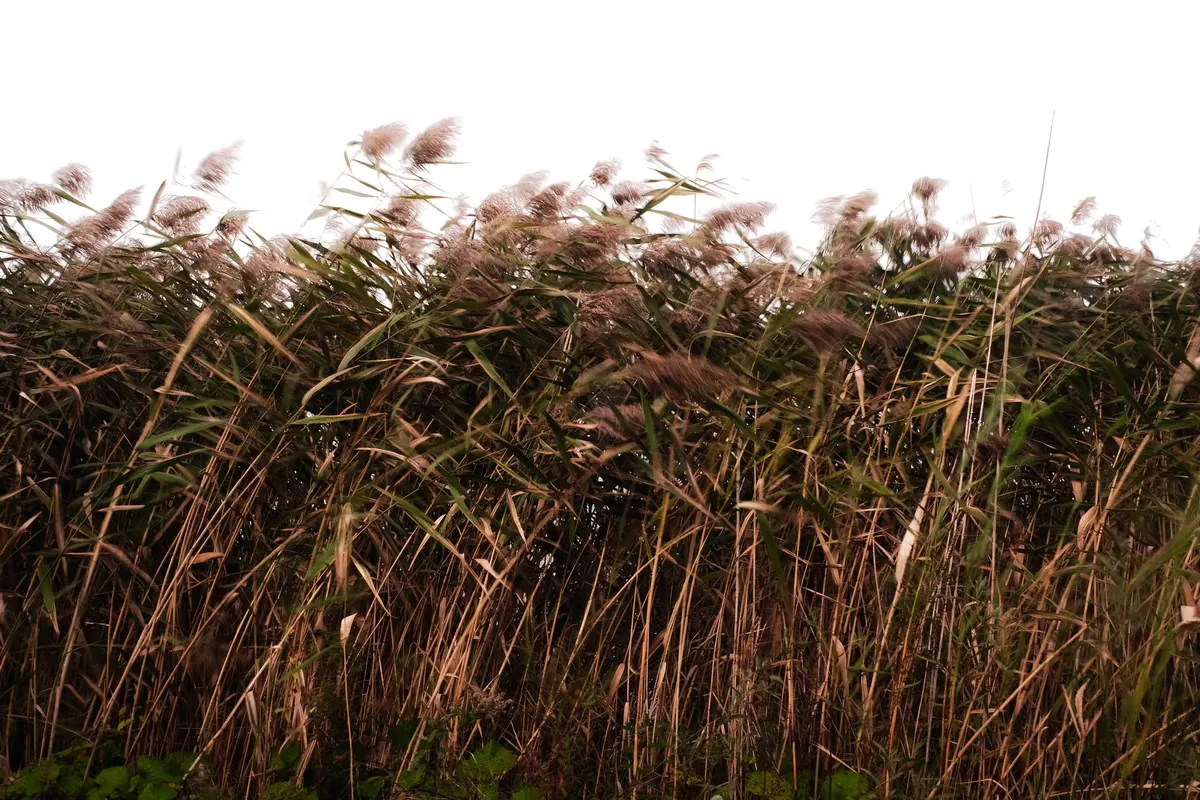
By late September the reedbeds have turned the colour of straw, and the first pink-footed geese are dropping onto the estuary to feed. Autumn is when marsh trails earn their reputation: water levels rise, waders push south along the coast, and the low sun turns seed heads into something worth photographing. The catch is that everything shifts week by week. Here is how to read a wetland in autumn, where to walk, what to look for, and how to get close without pushing birds off their roosts.
Three changes happen at once. The reeds die back, so cover thins and secretive birds become visible — bitterns, water rails and bearded tits are far easier to find in November than in June. Rain refills the scrapes and grazing marsh ditches, drawing dabbling ducks inland from the coast. And the light improves: a sun that sits low all day means the golden hour lasts far longer than it does in midsummer.
That combination is why autumn often beats spring for a long walk. Spring is a sprint; autumn is a slow build that runs from August right through to December.
On a wetland, conditions decide your day more than the route does. Check three things before you leave the house.
Rather than covering ground, use the light. A workable pattern on most wetland reserves looks like this.
If you walk the same circuit every couple of weeks, you will start to notice patterns — the corner where snipe always sit, the post a merlin uses, the ditch where teal gather when the wind swings west.
Timings vary with latitude and weather, but the general sequence holds.
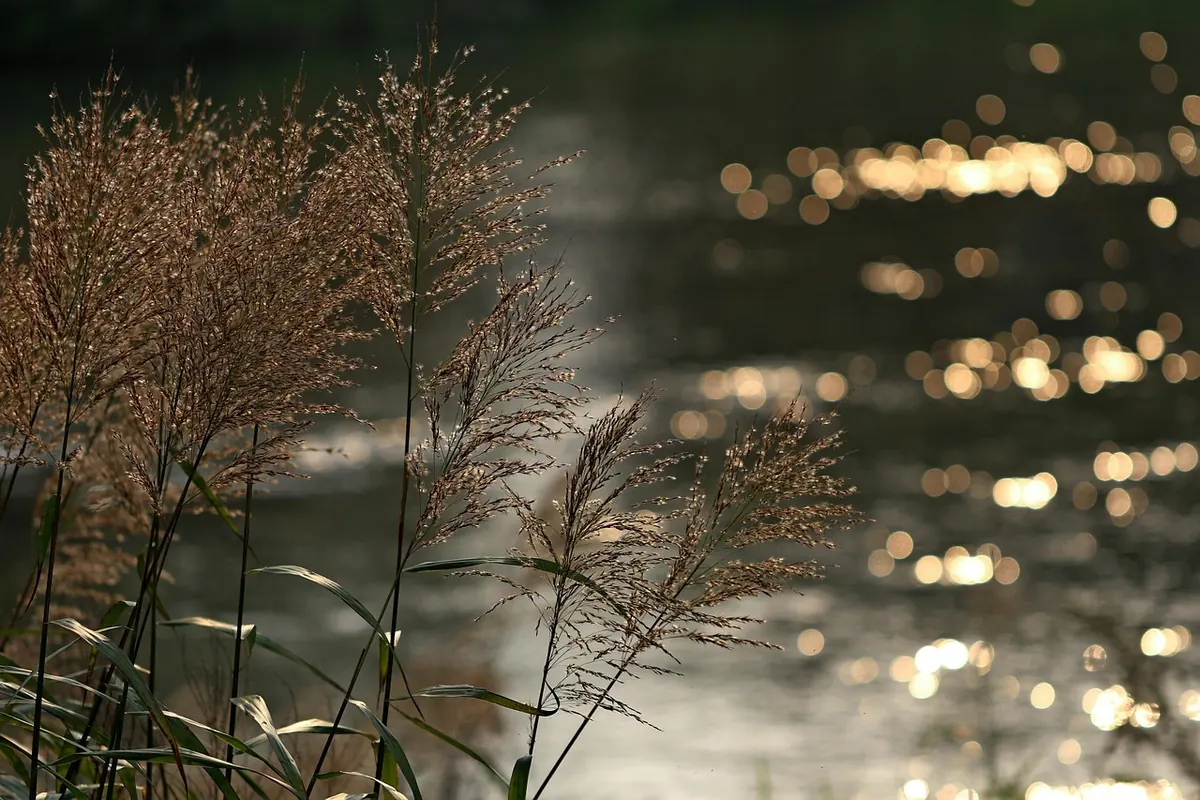
Autumn gives you two distinct looks. In the first hour, backlight turns reed seed heads into filaments against dark water, and mist compresses the scene into layers of grey. Later, side light shows plumage detail on ducks and waders that would look flat at midday in summer.
Practically: underexpose pale reeds against dark water by around a third to two-thirds of a stop so the highlights hold, and check the histogram rather than the screen. In mist, do not be afraid of higher ISO settings — a slightly noisy but sharp image beats a soft one. For wildfowl in flight, expect to need high shutter speeds and burst shooting; for portraits from a hide, a bean bag resting on the ledge is steadier than your hands, and cheaper than a tripod you have left in the car.
One small discipline that saves a morning: let your lens acclimatise. Going from a cold car into a warm hide fogs the glass, and cleaning it repeatedly makes things worse.
Walk into the wind, keep the sun at your back for identification and at the bird's back for atmosphere.
Cold-weather waders and wildfowl live on a tight energy budget, and every flush costs them. Stay on marked paths, keep low along flood banks, and use hides properly — no leaning out of the window with a long lens while someone else is watching. Keep dogs on a short lead near water and roosts, and leave playback recordings at home; they are unnecessary in autumn when birds are already on the move. If you find a colour-ringed bird, note the combination and report it to the ringing scheme — those records genuinely help.
On estuary paths, remember that mud and creeks are the real hazard, not the birds. Soft ground can be deeper than it looks, and tides come in faster than people expect. Tell someone your route if you are walking a remote stretch alone.
Go out expecting to be cold and muddy, and autumn on the marsh will give you the best of the year: quiet paths, big flocks, and reedbeds burning gold in a low, slanting light.
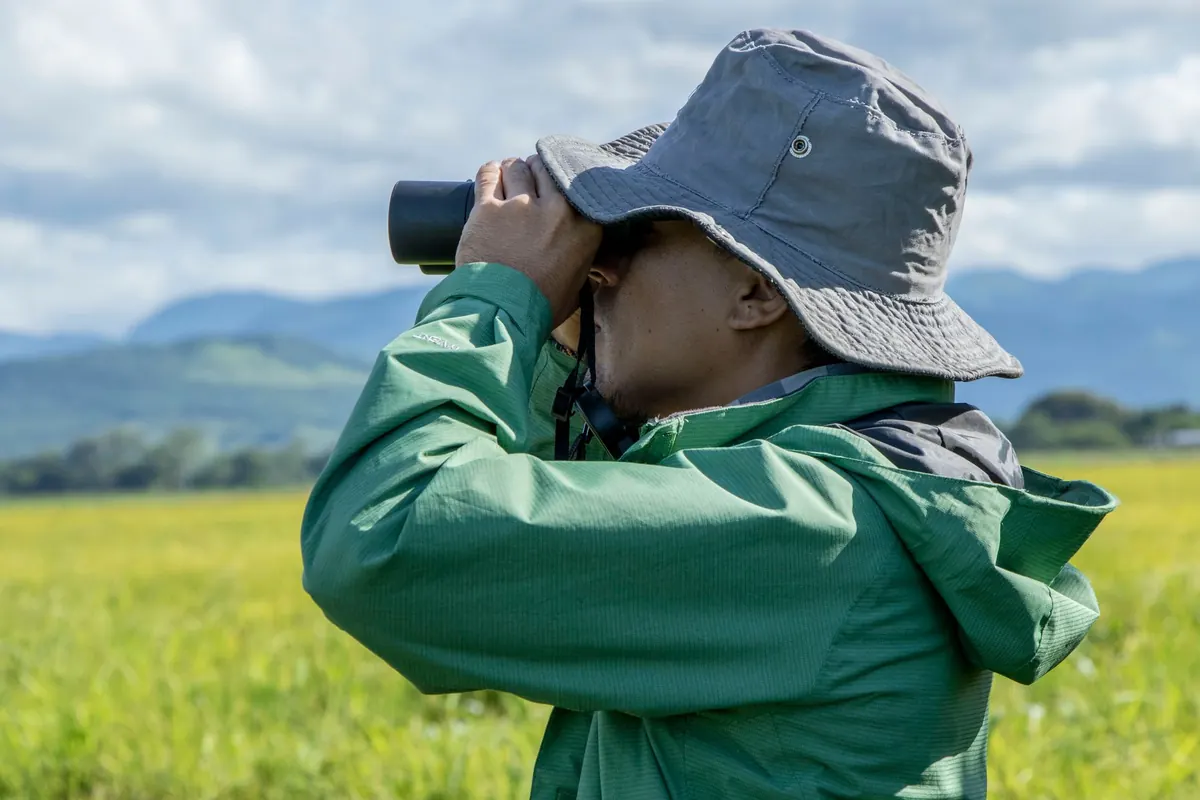
Photo: manseok_Kim / Pixabay
Exploring wetlands, one trail at a time..
Copyright © 2026 Marsh Path. All rights reserved. Marsh Path.