October 08, 2026


A wetland trail can look almost too easy on a map. Flat ground, a couple of boardwalks, a hide at the far end and a kettle in the visitor centre. Then you arrive, and the rules change. The path squelches. A flock of waders lifts off a hundred metres away because of something small you did.
None of that should put you off. Wetlands are among the best places to walk — quiet, strange, full of life. But they ask for a handful of habits that a hillside or a towpath doesn't. Here are the five mistakes that trip up new wetland walkers most often, and how to fix each one.
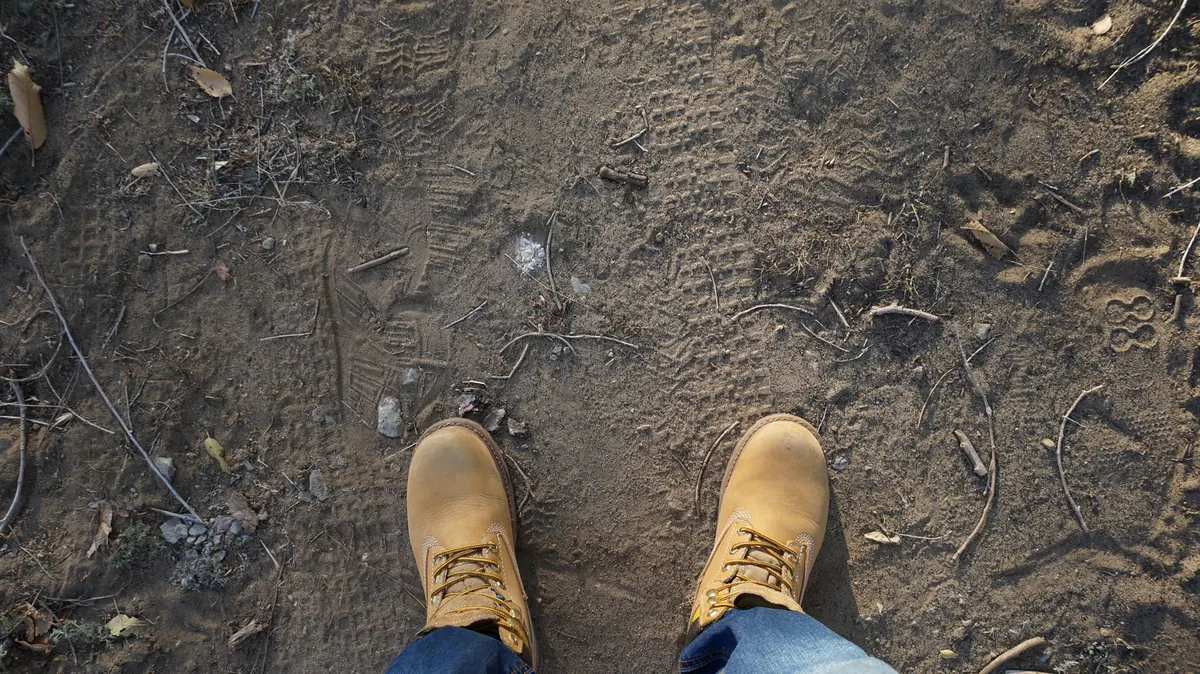
Most first-time marsh walkers either arrive in trail trainers that took one look at a puddle and gave up, or in brand-new wellingtons bought that morning. Both end the same way: wet feet and a shortened walk.
The right answer depends on the surface, not the weather. A reedbed reserve with proper boardwalks is fine in supportive walking shoes. A grazed saltmarsh with creeks and soft mud is not.
Break your footwear in first. Wetland ground is uneven in a particular way — tussocks, hidden roots, crumbling banks — and ankles that have never met it will notice.
On an estuary path the tide is not scenery; it decides whether your route exists. The classic error is to walk out on a falling tide, enjoy a long lunch, and find that the creek behind you has quietly refilled.
Water can also arrive from a direction you did not expect. It pushes up creeks and gullies behind the sea wall, so a path may flood from the landward side while the main channel still looks miles away.
The fix takes five minutes. Check a tide table for the nearest port before you leave the house, note the time of low water and when the water starts coming back, then write your turn-around time on the back of your hand. Set an alarm. If the reserve or harbour authority publishes guidance, read it, because local quirks matter more than general rules.
And if the maths ever looks tight, stay on the inland side of the wall. No view is worth that walk back.
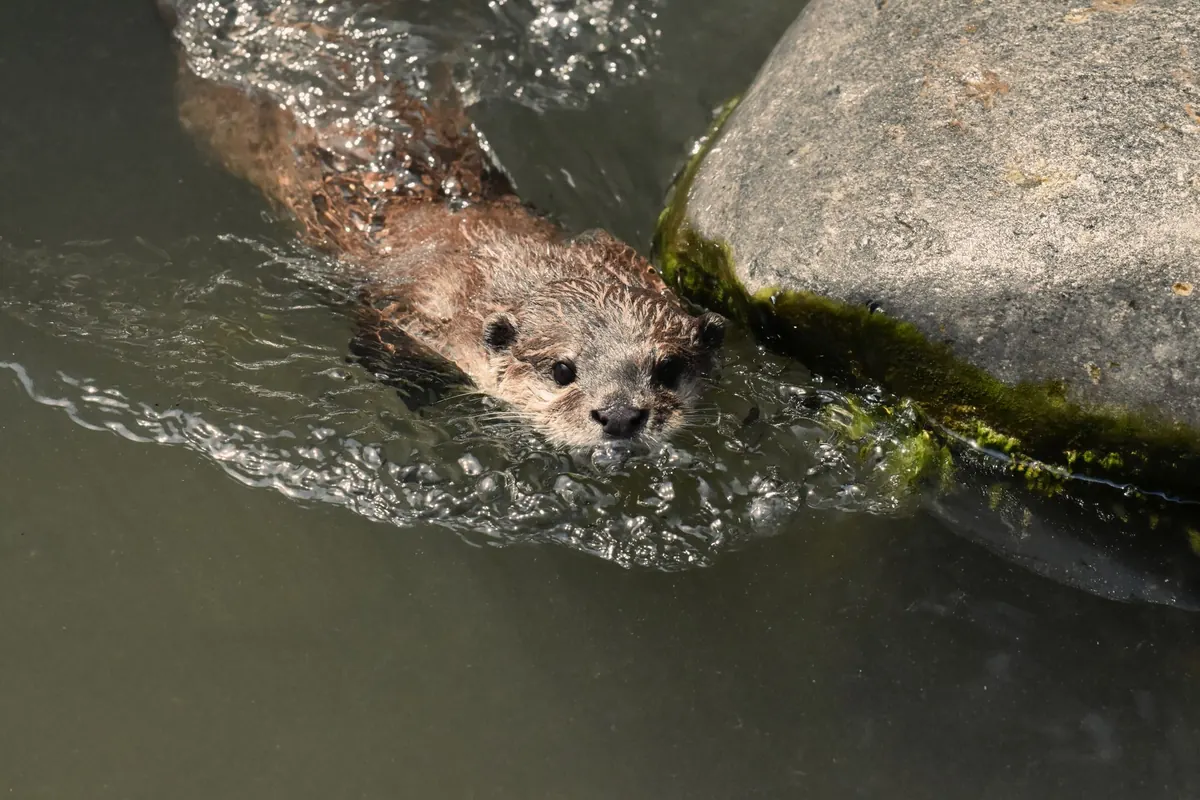
Wetlands are working places. Birds feed, roost and nest here, often on the ground and often within a few metres of a path you are allowed to use. That is a privilege, not a backdrop.
The mistakes are usually well meant: creeping closer for a photograph, letting a dog run off the lead "because there's nothing about", flying a drone low over a lagoon, feeding the ducks. In spring and early summer, when birds are sitting on nests, one off-lead dog can clear a whole field of nesting lapwing or redshank.
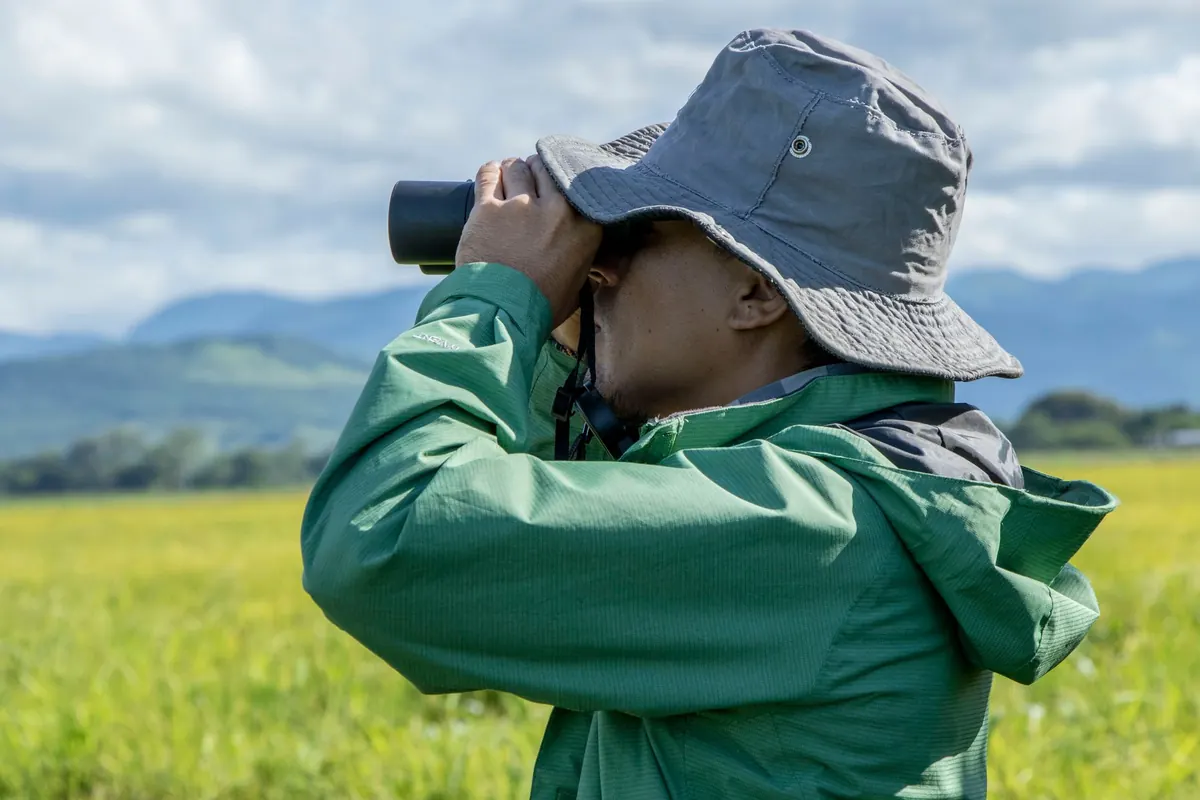
Watch for the signals. If birds stop feeding, raise their heads, call repeatedly or take off as you approach, you are already too close. Back away slowly rather than pushing on. Use the hide properly — approach quietly, keep voices low, and don't open the flaps with a bang.
Keep dogs on a short lead on the reserve, especially between March and July, and take everything home with you, including the bag you were tempted to leave by the gate.
Reedbeds hide water. Saltmarsh hides creeks with undercut banks. Mats of vegetation can float on top of a metre of soft silt and look exactly like a path. This is where new walkers get into trouble, usually by taking a shortcut to save ten minutes.
A few habits keep you out of it:
If you do go in, don't thrash about. Spread your weight, keep hold of your stick, and let your companions work from firm ground. Mud is heavy and it holds on; panic makes it worse. If you are heading somewhere genuinely remote or tidal, tell someone your route and expected return first. For anything health-related — old injuries, mobility, medication, how much you can safely manage — speak to a GP or pharmacist rather than guessing.
Estuary and marsh paths are exposed. There is rarely a hedge, a bench or a bus shelter when you need one, and wind off open water feels several degrees colder than the forecast for the nearest town. In summer, the same marsh can be hot, glaring and thick with biting insects.
Distances stretch, too. A five-kilometre route on soft ground, with stiles, gates and wet patches, can take far longer than the same distance on a country lane. Budget for the walk, not the map.
Pack for both versions of the day: a waterproof that genuinely packs down, an extra layer, water, a sun hat, insect repellent in summer, a paper map in case the signal disappears, and a charged phone with a power bank. Know where the nearest exit is — a road, a gate, a bus stop — so that a short day stays a short day.
None of this is complicated, and most of it becomes second nature after two or three walks. Do these things and the marsh stops being somewhere you have to survive and becomes somewhere worth returning to — which, once the mud has dried on your boots, is exactly what you will want to do.
Photo: asim alnamat / Pexels
Exploring wetlands, one trail at a time..
Copyright © 2026 Marsh Path. All rights reserved. Marsh Path.