October 08, 2026


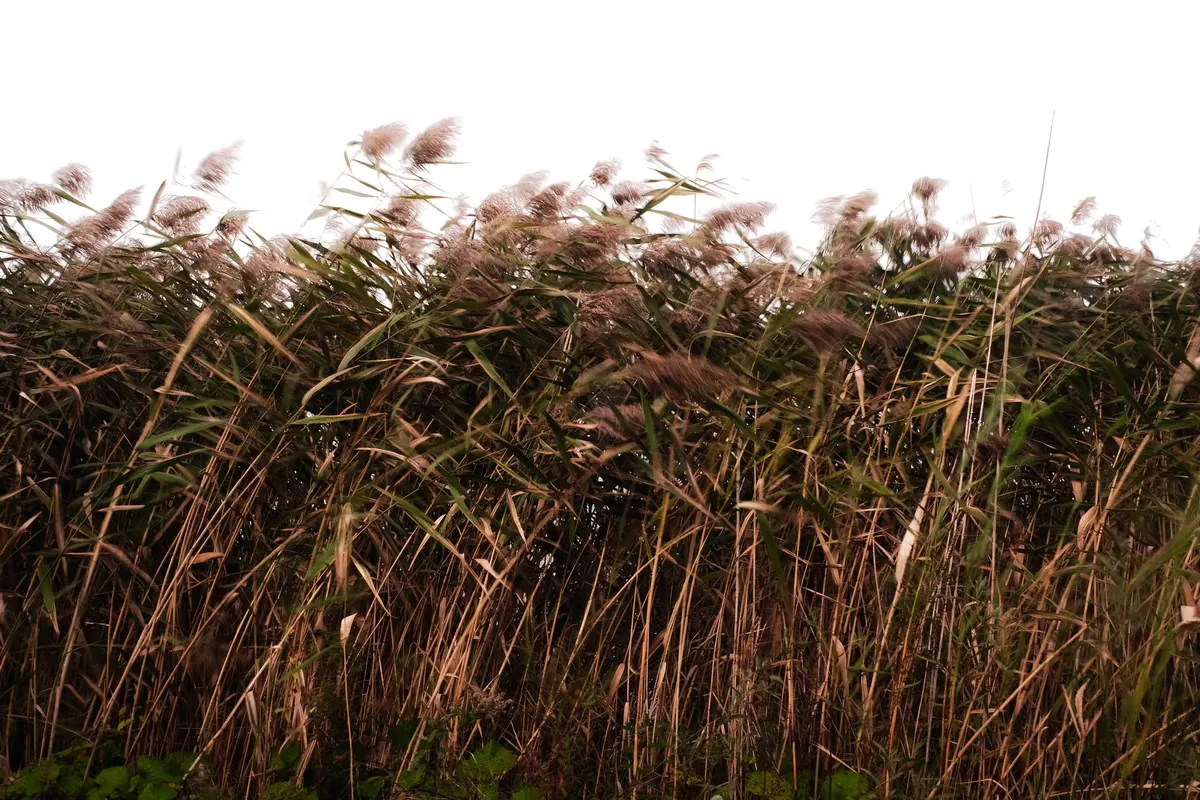
A good wetland walk begins long before the first boardwalk. That reedbed which looks firm from the car park can be ankle-deep halfway round, the tide that was well out when you set off may be returning, and the wind across a saltmarsh has a talent for finding the one gap in your jacket. None of it needs to spoil the day. It just needs ten minutes of thought in the hallway before you leave.
What follows covers most lowland wetland trails in Britain: fen, marsh, reedbed, saltmarsh and the old gravel pits that now pass as nature reserves. Adapt it to the season and the site. A July afternoon beside a dyke is a very different proposition from a January morning on an estuary.
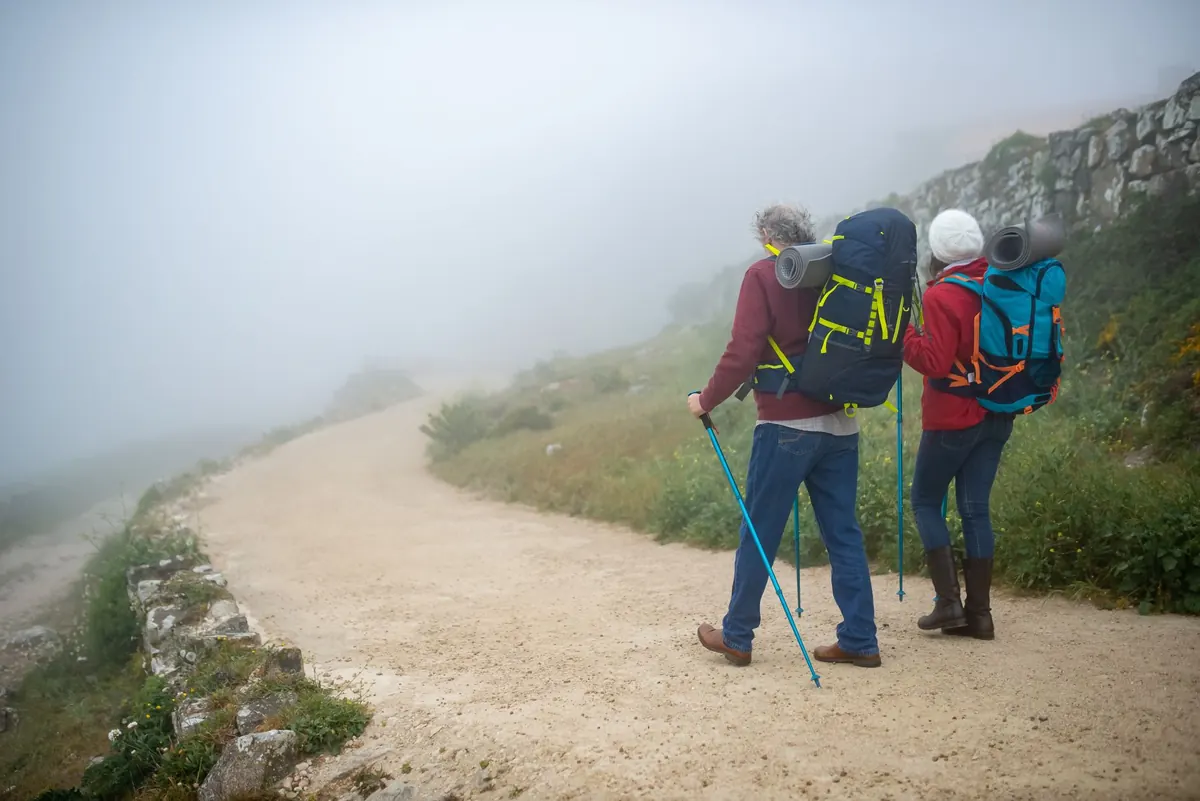
Wetland trails punish poor footwear faster than any other kind of walk. Look for boots that are properly waterproof, with a deep tread and enough ankle support for tussocky, uneven ground. Fabric boots are lighter and dry faster; leather copes better with long wet grass. Either works, provided you re-proof them before the season starts.
Wellies are unbeatable in deep mud and shallow standing water, which is why so many reserve wardens wear them. They are less comfortable over a long day, and the smooth soles of cheap pairs slide alarmingly on wet boardwalk. If you wear them, add a decent insole and expect your calves to work harder. Gaiters keep water, seeds and the worst of the mud out of your socks and trousers.
Whatever is on your feet, pack a spare pair of socks in a dry bag. Wet feet are the quickest route to a miserable walk, and a change at the halfway bench costs almost nothing in weight.
Wetlands are humid places, and weather on open marsh shifts faster than the forecast suggests. Work in three layers: a thin base layer that moves sweat away from your skin, a fleece or light insulated mid layer, and a waterproof shell that also cuts the wind. Cotton is the one fabric to avoid — a sodden T-shirt chills you quickly once you stop moving.
Trousers should be quick-drying rather than denim. Waterproof leggings save a soaking if you are pushing through waist-high reeds. Add a hat, thin gloves for cold mornings, and sun cream and sunglasses for the glare coming off open water. In summer, long sleeves and trousers at dusk are the simplest defence against midges and mosquitoes.
Boardwalks flood. Waymarkers vanish behind summer reeds. Footpaths that were clear on the map cross grazing marsh where the only visible route is a line of hoofprints. This is normal on wetland sites, which is why a phone alone is not enough. Carry a paper map and a compass you know how to use, and download the offline map for the area before leaving the house. If you rely on an app, take a power bank too.
Note the grid reference and postcode of the car park, and leave your intended route and expected return time with someone at home. Tell them when you are back. Signal is patchy or absent on many reserves, and a message that never sends is no use to anyone.
A head torch, a whistle, a small first-aid kit, water and something to eat form the core of any day pack. Add a foil emergency blanket, which weighs very little and matters a great deal if someone has to sit still in wind and rain. Blister plasters earn their place on longer trails.
Two habits keep wetland walkers out of trouble. First, check the tide table and any reserve notices before you go. On estuaries and coastal marshes, a path that is dry at eleven in the morning may be under water by two, and the water often cuts the route home rather than running beside it. Second, never step into water whose depth you cannot judge. Use a walking pole or a long stick to test the ground ahead, and turn back if it has no bottom within a step or two.
If you cannot see the bottom of it, do not step into it — and never cross moving water on foot.
Be alert around grazing cattle, which are used on many marshes for conservation grazing. Give them plenty of room and never walk between a cow and her calf. Boardwalk planks rot and lift, so keep your eyes on the surface rather than on the bird you are watching.
Long grass and damp vegetation are prime tick habitat. Tuck trousers into socks where practical, use repellent, and check yourself, children and dogs at the end of the walk, particularly behind the knees, at the waist and along the hairline. Remove any tick promptly with fine-tipped tweezers, pulling steadily without twisting. If you later develop a rash, a fever or feel unwell, seek medical advice and mention the bite. If you have a heart or lung condition, or you are heading somewhere remote, take proper advice before setting out.
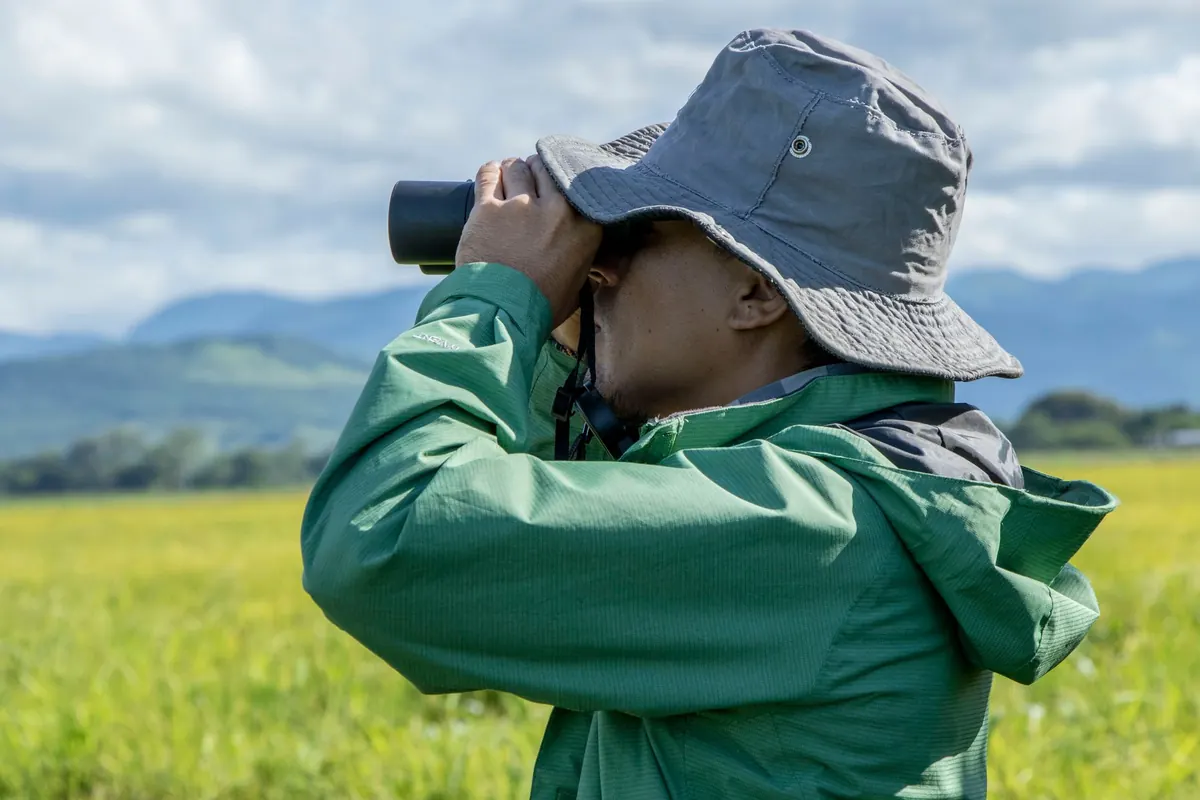
Binoculars are the one piece of kit that transforms a wetland walk. Something around 8x32 or 8x42 suits most people: light enough to carry all day, bright enough for dull mornings. Keep the strap round your neck rather than in the bag, because the bird you want is usually already flying. A small notebook and pencil are more useful than a phone for jotting down what you saw and where.
Carry a field guide or a reliable identification app, and keep the camera for record shots rather than chasing a close-up. Watch from the path or a hide, keep your distance from nests and roosting birds, and resist the urge to play recorded calls to bring something nearer. Feeding bread to ducks and swans does them no favours; if a site allows feeding at all, it will usually sell suitable food. A midge head net costs little and turns a summer evening from a trial into a pleasure.
Everything above, condensed into a list you can run through at the door:
Pack the night before, not while the kettle boils. Check the tide times for coastal sites, read any notices on the reserve website about closed boardwalks or breeding-season restrictions, and glance at the forecast for wind as well as rain. Leave your route with someone and agree a time to check in.
Then give yourself more time than you think you need. Wetland walking is slow walking, and the best moments — a bittern lifting out of the reeds, the light going gold across a pool — tend to arrive when you are not hurrying. If the water is rising, the wind is getting up or your feet are soaked through, turn back. The reserve will still be there next week.
Photo: Kampus Production / Pexels
Exploring wetlands, one trail at a time..
Copyright © 2026 Marsh Path. All rights reserved. Marsh Path.