October 08, 2026


A wetland trail is rarely just a walk. You step onto a boardwalk and the ground gives slightly under your feet. Reeds close in at shoulder height. Water appears on both sides where a minute earlier there was only grass, and the sound changes — sudden splashes, distant waders, wind moving through stems. That shift is the appeal of these places, and it is also why a first wetland walk goes better with a little thought about what you wear, what you carry and which route you pick.
Wetland routes are a mix of surfaces — gravel path, timber boardwalk, mown grass, and short stretches where the mud simply wins. So the useful question is not "wellies or boots" but what your particular route demands.
Wellies cope with standing water and sloppy mud, and on a flooded stretch they are the practical answer. But on a longer walk they get hot, offer no ankle support and many have soles that slip badly on wet timber. Keep wellie walks short.
For most trails, a waterproof walking shoe or a light boot with a decent rubber sole is the better call. Check the tread before you buy: deep, soft lugs grip wet planks, while hard plastic soles skate across them, especially on a slope. Ankle support helps on uneven duckboards, but a stiff boot that rubs is worse than a soft shoe that fits.
Two small things make a big difference. Gaiters keep long wet grass out of your socks, and a spare pair in a dry bag turns a soggy afternoon into a minor inconvenience. Choose merino or synthetic socks rather than cotton, which holds water against your skin and stays cold for hours. If you are testing new footwear, wear it around the block first, then take it on a short dry trail.
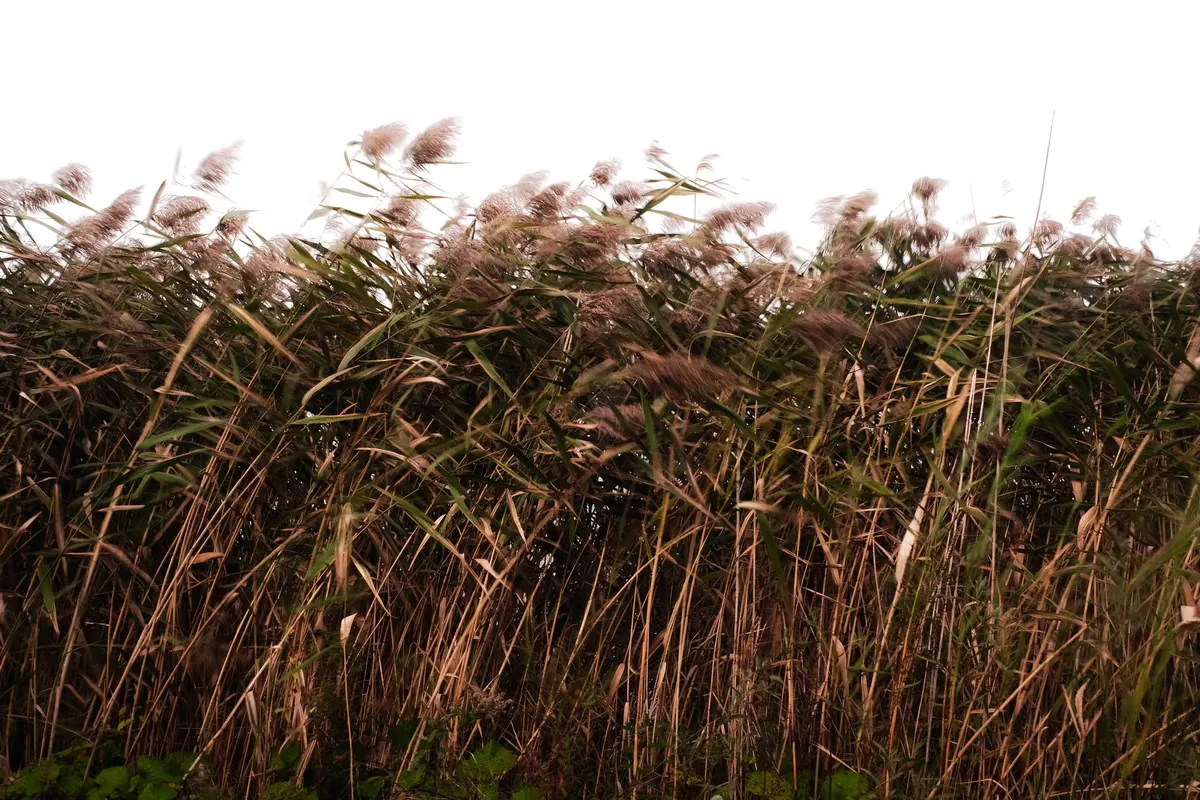
Reedbeds are exposed. Wind crosses open water with nothing to slow it down, and a bench at the end of a boardwalk is often the coldest place for miles. Add a long pause in a hide to watch something, and a mild forecast can feel like a different season.
Three layers cover most British conditions:
Trousers matter more here than on a dry hill. Quick-drying walking trousers or leggings are ideal; jeans soak up water and stay heavy. In summer, add a hat for long, shadeless boardwalk sections, and pack light gloves and a warm hat from autumn onwards. Insect repellent is worth carrying near still water in late spring and summer — you will know within minutes whether you need it.
Boardwalks fork. Fingerposts go missing, and a junction that looked obvious on the way out can be confusing on the way back. Reserve trails often use numbered posts, which is handy, but do not assume you will remember which number you passed.
Carry a paper map of the area in a clear waterproof case, and know how to set it to the ground. A compass is light enough to keep in the bag even if you rely on your phone. If you use a mapping app, download the offline map before you leave, because signal in a marsh is often patchy, and keep the phone in a dry bag rather than a pocket that fills with water when you bend down.
Tell someone where you are going and when you expect to be back. Note the car park entrance, any alternative exit points, and the location of the nearest hide or bench, so you always know what short option you have. If the route crosses an estuary or saltmarsh, check the local tide tables first — some paths are cut off at high tide.
Ignore the longest trail on the leaflet. For a first outing, look for these things:
Then check the reserve's own information before you travel. Trails close for maintenance, and many reserves restrict access to parts of the site during the breeding season, or ask that dogs stay on leads or off the reserve entirely. Winter flooding can shut boardwalks for weeks. A five-minute check saves a wasted journey.
You do not need much, but a few items earn their place:
Afterwards, check yourself for ticks if you have walked through tall grass or reeds, and remove any you find properly. If you feel unwell in the days after a walk, speak to a pharmacist or your GP and mention where you have been.
Pick a dry day after a few dry days, choose a short boardwalk loop, and stop often. The point of a wetland trail is not distance covered. It is standing still long enough for a bittern to move, or a marsh harrier to cross the reeds, or the light to change over open water.
Then go back in another season. The same trail in June is wall-to-wall green, loud with reed warblers and thick with insects; in November it is skeletal and quiet, and you can see water where the reeds used to hide it. Two visits to one short route will tell you exactly what gear you actually needed — far more useful than any checklist.
Photo: qimono / Pixabay
Exploring wetlands, one trail at a time..
Copyright © 2026 Marsh Path. All rights reserved. Marsh Path.